#9 From Process to Purpose: How Clarity Leads Beyond Hierarchy
Discovering the hidden power of process can be the catalyst for evolving beyond traditional hierarchies toward self-organising, responsive organisations.
By Julian Sharples of the As it is, Writer for The Beyond Hierarchy Project
For years, I’ve been fascinated by the quiet power of process. Most organisations begin their improvement journey by looking at how things get done. They want work to flow more smoothly, to remove waste, reduce frustration, and make better use of people’s time and energy.
It sounds simple, but it’s transformative.
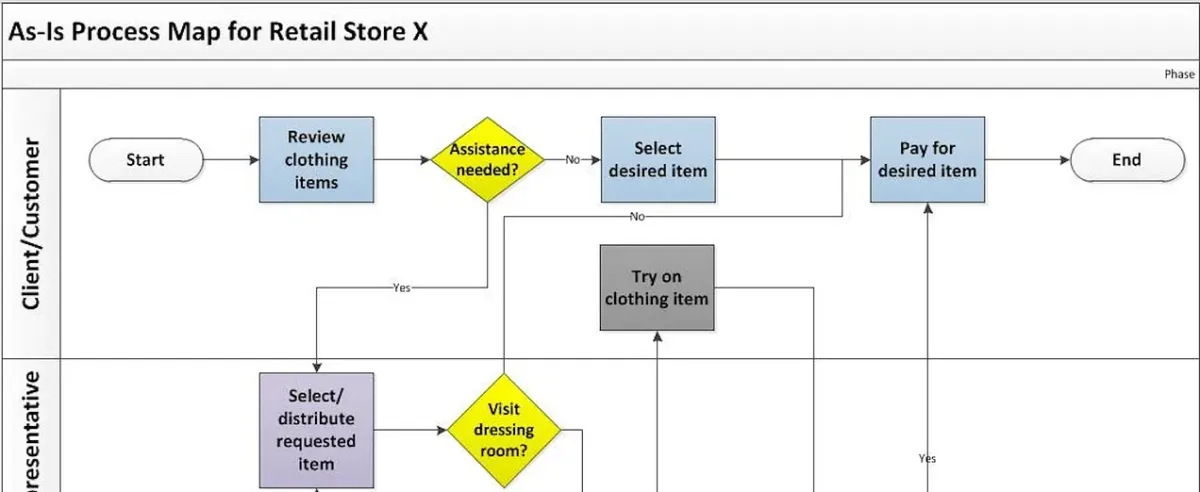
Because when you truly look at the as-is – when you map the reality of how work moves, where decisions get made, and what slows things down – you start to notice something deeper. The bottlenecks and inefficiencies aren’t just in the processes. They’re built into the structure of the organisation itself.
Seeing the system

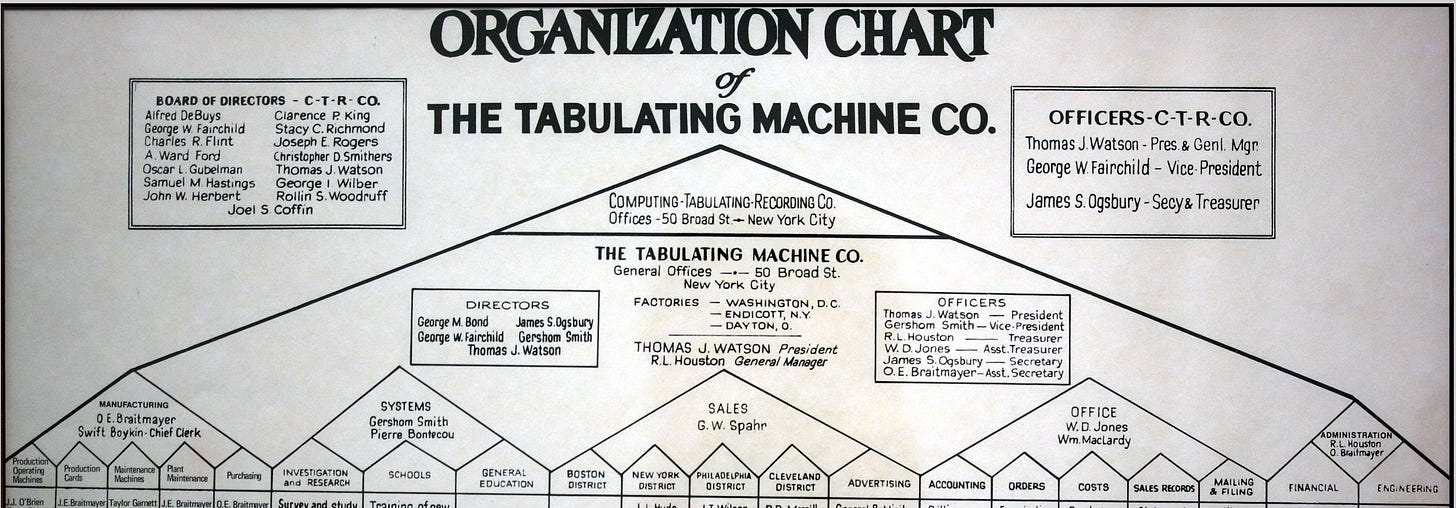
Hierarchies, for all their familiarity, are systems designed for control and predictability. They assume stability, clear lines of authority, and a world where the past is a good guide to the future. But most modern organisations don’t live in that world anymore. They exist in complexity – changing markets, shifting priorities, constant disruption.
In these environments, rigid structures and fixed reporting lines often create friction rather than removing it. The energy that could go into serving customers or improving quality instead gets trapped in approvals, sign-offs, and layers of oversight.
When you make your processes visible – when you actually see who does what, when, and why – you begin to realise how much of that complexity is self-imposed. You see how decisions are delayed not because people don’t care, but because authority is misplaced. You notice how creativity and responsibility are dulled by dependency. You start to sense that the system itself might need to evolve.
Curiosity leads to new questions

That’s where curiosity becomes the catalyst. Sustainable improvement begins with curiosity – a willingness to see how things really happen rather than how we wish they did. Curiosity opens the door to better processes, but it also opens the door to something larger: a new relationship with power.
Once people experience the energy that comes from mapping and improving their own work, they start asking different questions:
Why do we need to escalate this decision?
Could the team closest to the work take ownership?
What would happen if we trusted the process, instead of the hierarchy, to guide the next step?
These are not process questions – they’re questions about governance. And they point naturally toward the principles of self-management and Holacracy.
From process clarity to role clarity

One of the core insights of Lean thinking is that value flows horizontally, not vertically. Work moves across functions and teams to deliver something of value to a customer. Hierarchy, however, moves vertically: it’s built for reporting, not for flow.
When you start optimising processes, you inevitably begin to reorganise around value flow rather than job title. You shift focus from “Who do I report to?” to “What am I responsible for?” That’s the essence of Holacracy and other self-management systems: clarity of purpose, roles, and accountabilities that sit within the process, not above it.
In a way, process mapping is the bridge. It makes the invisible visible – the real interactions, the real dependencies. Once those are visible, you can distribute authority to where the knowledge lives. You don’t need to “empower” people; you simply stop disempowering them.
The shift from control to trust
Every organisation that commits to improving its processes ends up confronting a truth: you can’t have continuous improvement without distributed authority. The people closest to the work are the ones best placed to improve it.
That’s the shift from control to trust. From management as oversight to management as stewardship. From hierarchy as design principle to hierarchy as one of many possible patterns.
Self-management doesn’t happen overnight, and it doesn’t require tearing down the org chart. It starts with seeing clearly – with understanding as it is before imagining what could be. When people learn to map, improve, and own their processes, they also learn to navigate complexity together. They start thinking like a system, not a silo.
Evolving beyond hierarchy

In that sense, this fascination with process isn’t just about efficiency – it’s about evolution. Process clarity gives people a shared language and visibility they need to work differently. Once that foundation is in place, the next evolution – toward self-organising teams, dynamic roles, and responsive governance – becomes both natural and inevitable.
When people understand how work really happens, hierarchy loses its mystery. Authority becomes something you design intentionally, not something you inherit. And improvement stops being a project – it becomes a way of being.
My company – As it is – aims to help businesses understand, optimise and document their processes, and support their people to use them consistently. And, perhaps more quietly, to help them re-examine how useful hierarchy really is to them.
Because when new behaviours take root, processes stick – and value, at every level, begins to flow.

Let us know what’s working and not working in your group/team/organisation, and the biggest challenges you are facing in relation to these themes. It helps shape our research.
Let Us Know What's Working & Not Working